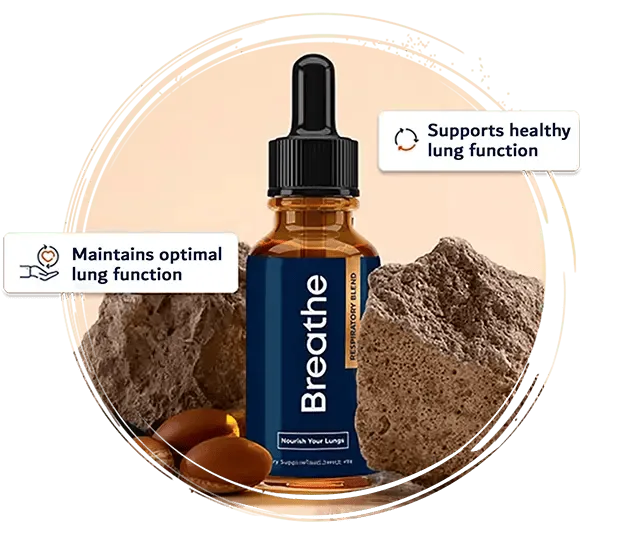
Natural lung-cleansing supplement to clear excess mucus buildup and improve breathing and respiratory function.
Money-Back GuaranteeIndependently Researched
Affiliate Disclosure: This page contains affiliate links. If you purchase through these links, we may earn a commission at no additional cost to you. We only recommend products we have independently researched. Full disclaimer.
General Health
Compare the best general wellness supplements for respiratory health, energy, and overall vitality — ranked by ingredients and real customer results.
Natural lung-cleansing supplement to clear excess mucus buildup and improve breathing and respiratory function.
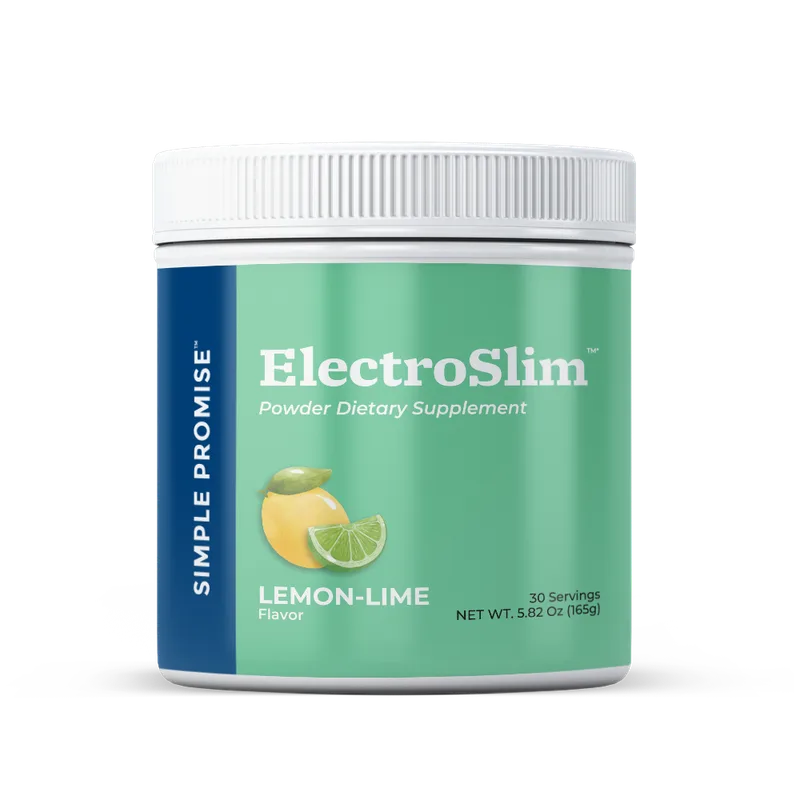
Electrolyte-enhanced weight management formula that activates thermogenesis and replenishes cellular energy to break fat storage cycles.
| Product | Named ingredients | Guarantee | Main strength | Main caveat |
|---|---|---|---|---|
| Breathe | 5: Mullein Leaf, Manuka Honey, Peppermint Extract… | 180 days | Five traditional lung-support botanicals | Traditional use is not clinical proof, and "lung cleansing" claims go beyond the evidence |
| ElectroSlim | 7: Chromium Picolinate, Magnesium Citrate, L-Taurine… | 365 days | Sugar-free electrolyte powder with magnesium citrate and sodium/potassium dodecanedioate | The metabolism blend (Sukre, CapsiMax, Metabolyte) is proprietary |
The two products here are marketed on different premises: lung support on one side and electrolyte-based metabolism support on the other. Traditional use of an ingredient is not the same as clinical proof of the finished product.
Breathing difficulty or a chronic cough needs a medical evaluation. Licorice root can raise blood pressure in large amounts, so check with a doctor if you have hypertension.
General health and vitality are not the absence of disease — they are an active state of cellular resilience, immune competence, and systemic balance that requires deliberate nutritional support in the context of modern diet and lifestyle.
Mitochondrial health is the foundation of whole-body vitality. These cellular energy factories convert nutrients into ATP — the universal currency of biological energy — and their efficiency directly determines how we feel, how we recover, and how resilient we are to illness and stress. As we age, mitochondrial function declines and mitochondrial DNA accumulates damage, a process now recognized as central to the aging phenotype. NAD+ (nicotinamide adenine dinucleotide) is a critical coenzyme for mitochondrial function, and its levels drop by approximately 50% between ages 40 and 60. NMN (nicotinamide mononucleotide) and NR (nicotinamide riboside) are precursors shown in human trials to raise NAD+ levels and support mitochondrial function.
The immune system represents one of the most responsive systems to nutritional intervention. Vitamin D3 — technically a hormone — governs over 2,000 genes in immune cells and is deficient in over 40% of the Western population due to indoor lifestyles and northern latitudes. At optimal serum levels (60–80 ng/mL), vitamin D3 supports both innate immune response (front-line defense) and adaptive immunity (targeted responses). Zinc is equally critical: it is required by over 300 enzymes and is the most essential micronutrient for immune cell development, proliferation, and cytokine regulation. Zinc deficiency impairs virtually every arm of immune function.
Systemic inflammation is now understood to be the common underlying pathway for virtually every chronic disease — cancer, cardiovascular disease, diabetes, Alzheimer's, and autoimmunity. C-reactive protein (CRP) is the primary inflammatory marker, and elevated CRP is one of the strongest predictors of future cardiovascular events. The Mediterranean dietary pattern — rich in olive oil, vegetables, fatty fish, and polyphenols — is the most evidence-based approach to reducing systemic inflammation, and key compounds from this pattern (quercetin, resveratrol, EGCG, and curcumin) can meaningfully reduce CRP when supplemented at clinical doses.
General health and wellness supplements are generally intended for healthy adults. Fat-soluble vitamins (A, D, E, K) accumulate in tissue and can cause toxicity at very high long-term doses — follow label recommendations and periodically test serum vitamin D levels. Herbal adaptogens should be cycled periodically to prevent tolerance. As with all supplements, individuals on prescription medications should inform their physician, particularly regarding antioxidants near chemotherapy (which works partly through oxidative mechanisms).