◆ Editor's Choice
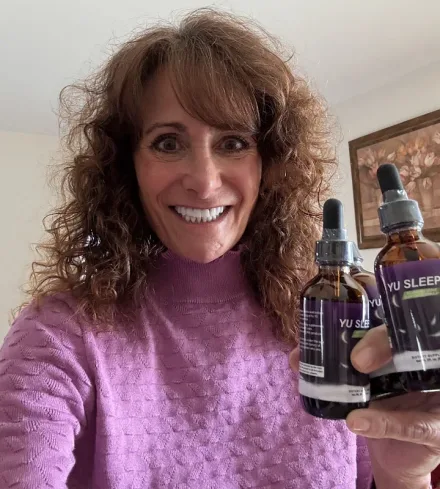
Natural sleep supplement to improve sleep quality and help you fall asleep faster without creating dependency.
Money-Back GuaranteeIndependently Researched
Affiliate Disclosure: This page contains affiliate links. If you purchase through these links, we may earn a commission at no additional cost to you. We only recommend products we have independently researched. Full disclaimer.
Sleep
Compare the best natural sleep aids for falling asleep faster and staying asleep — ranked by ingredients, safety, and real results.
Natural sleep supplement to improve sleep quality and help you fall asleep faster without creating dependency.
| Product | Named ingredients | Guarantee | Main strength | Main caveat |
|---|---|---|---|---|
| Yu Sleep | 10: Melatonin, Magnesium Glycinate, L-Theanine… | 60 days | Ten sleep-specific compounds rather than one high-dose sedative | Contains melatonin and 5-HTP, which can interact with some medications such as antidepressants |
We review a single product in this category. It contains melatonin and 5-HTP, which can interact with some medications, including antidepressants.
Trouble sleeping that lasts for weeks, loud snoring, or sudden daytime sleepiness should be evaluated by a doctor rather than treated with supplements alone.
Sleep is the body's most powerful restorative process — yet it is systematically undervalued in modern society. Chronic poor sleep is now linked to accelerated cognitive decline, immune dysfunction, hormonal imbalance, metabolic disorders, and cardiovascular disease. Supporting sleep quality is not a luxury; it is foundational health maintenance.
The circadian rhythm — the body's internal 24-hour biological clock — governs sleep-wake cycles through the precise timing of melatonin secretion from the pineal gland. In natural conditions, melatonin secretion peaks 2 hours before habitual sleep time and suppresses completely during daylight hours. Modern artificial light exposure (particularly blue wavelengths from screens) delays melatonin secretion by up to 3 hours, chronically desynchronizing the circadian rhythm and reducing sleep quality even when adequate time in bed is maintained. Low-dose melatonin supplementation (0.5–3 mg), taken 30–60 minutes before sleep, has been validated in over 50 clinical trials to advance sleep onset, increase sleep efficiency, and improve sleep quality.
GABA (gamma-aminobutyric acid) is the brain's primary inhibitory neurotransmitter — it slows neural activity and is essential for the transition from wakefulness to sleep. Benzodiazepine drugs (Valium, Xanax) work by enhancing GABA receptor sensitivity, which explains their sedative effects and unfortunately their addictive potential. Natural compounds including L-theanine, ashwagandha root, and passionflower extract modulate GABA activity through different receptor mechanisms, producing calming and sleep-promoting effects without the tolerance, dependence, or next-day cognitive impairment associated with pharmaceutical sedatives.
Sleep architecture — the specific proportions of light sleep, deep (slow-wave) sleep, and REM sleep — determines how restorative sleep actually is. Deep sleep is when the glymphatic system clears toxic metabolic waste (including amyloid-beta, implicated in Alzheimer's) from the brain; REM sleep consolidates emotional memories and supports creative problem-solving. Magnesium glycinate and L-tryptophan (the amino acid precursor to both serotonin and melatonin) have clinical evidence for increasing deep sleep duration specifically, while 5-HTP (the intermediate metabolite between tryptophan and serotonin) supports REM sleep quality.
Sleep supplements are generally well tolerated when used as directed, but they are not risk-free. Melatonin should be used at the lowest effective dose — higher doses often worsen sleep quality rather than improving it. 5-HTP should not be combined with antidepressants (especially SSRIs, SNRIs, or MAOIs) without physician guidance due to potential serotonin syndrome risk. Valerian root may interact with sedative medications. Most sleep supplements should be cycled periodically rather than used continuously to prevent tolerance development.