
Mushroom-based supplement to support healthy heart function and maintain cholesterol levels already within normal range.
Money-Back GuaranteeIndependently Researched
Affiliate Disclosure: This page contains affiliate links. If you purchase through these links, we may earn a commission at no additional cost to you. We only recommend products we have independently researched. Full disclaimer.
Heart Health
Compare the top heart health supplements for cholesterol, blood pressure, and circulation — ranked by clinically studied ingredients and real results.
Mushroom-based supplement to support healthy heart function and maintain cholesterol levels already within normal range.
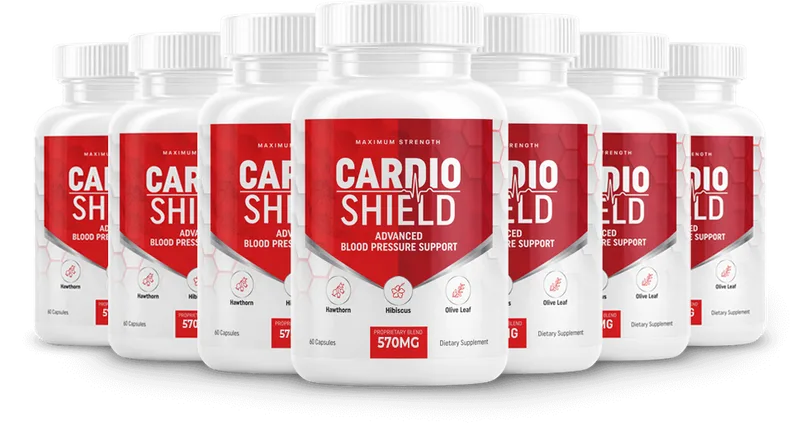
8-ingredient natural blood pressure formula with olive leaf extract and hawthorn berry to support healthy circulation.
| Product | Named ingredients | Guarantee | Main strength | Main caveat |
|---|---|---|---|---|
| Cholibrium | 10: Reishi (Lingzhi), Shiitake, Lion's Mane… | 365 days | Built entirely from 10 medicinal mushroom extracts, a distinct approach | All ten mushrooms sit in a proprietary blend with no per-mushroom amounts |
| CardioShield | 12: Hawthorn Leaf and Flower Extract, Hibiscus Flower Extract, Olive Leaf Extract… | 180 days | The core four botanicals (hawthorn, hibiscus, olive leaf, garlic) each cite a published trial | The cited trials are for individual ingredients, not the finished capsule |
Cholesterol and blood pressure are different markers measured by different tests, so check which one a product actually targets. The two products here are built around different goals and are not direct substitutes.
Never stop prescribed medication because of a supplement. Ingredients such as garlic and hawthorn can interact with blood pressure drugs and blood thinners.
Cardiovascular health is determined by decades of accumulated lifestyle factors, and the good news is that targeted nutritional intervention can meaningfully improve key cardiovascular biomarkers — even later in life. Understanding the core drivers of heart disease is the starting point for effective prevention.
Atherosclerosis — the buildup of plaque inside arterial walls — is driven not simply by high cholesterol but by oxidized LDL particles combined with chronic vascular inflammation. When LDL cholesterol becomes oxidized (damaged by free radicals), it triggers an immune response in the arterial wall, causing macrophages to engulf the particles and form "foam cells" — the core of atherosclerotic plaques. This is why antioxidants including CoQ10, resveratrol, and vitamin E have cardiovascular relevance beyond their general antioxidant activity: they specifically protect LDL from oxidation and slow plaque progression.
Nitric oxide (NO) is the molecule responsible for vascular health — it relaxes smooth muscle in arterial walls, maintains optimal blood pressure, prevents platelet aggregation, and signals endothelial repair. NO production declines with age and is impaired by factors including hypertension, smoking, and chronic inflammation. L-arginine, L-citrulline, and beetroot extract (containing dietary nitrates) are clinically validated NO precursors with documented effects on blood pressure and endothelial function. A 2020 meta-analysis of 43 RCTs found that L-citrulline supplementation significantly reduced systolic blood pressure across populations.
Omega-3 fatty acids (EPA and DHA) are arguably the most clinically validated natural cardiovascular intervention. A 2019 RCT published in the New England Journal of Medicine (REDUCE-IT trial) demonstrated that 4 g/day of pharmaceutical-grade EPA reduced major cardiovascular events by 25% in high-risk patients with elevated triglycerides. At dietary supplement doses (2–3 g/day), EPA and DHA lower triglycerides by 15–30%, reduce vascular inflammation, and improve heart rate variability. The American Heart Association specifically recommends omega-3 supplementation for people with existing heart disease.
Heart health supplements require important cautions for individuals on cardiovascular medications. Fish oil has a mild blood-thinning effect and may enhance the effect of anticoagulants (warfarin, apixaban) — physicians should be informed before adding omega-3 supplements. Coenzyme Q10 can slightly reduce blood pressure and may amplify the effects of antihypertensive medications. Red yeast rice contains naturally occurring statins and should not be combined with pharmaceutical statins without medical guidance. Anyone with a cardiovascular condition should discuss any supplement with their doctor first.
Why Cholesterol Searches Never Slow Down
Independent ranking of the best heart health supplements, and why cholesterol dominates search interest year-round, and what actually works.
Read article →Cholesterol or Blood Pressure?
Cholibrium vs CardioShield: a mushroom-only cholesterol formula against a botanical blood pressure formula. They are both sold as heart-health supplements, but they target different numbers.
Read article →